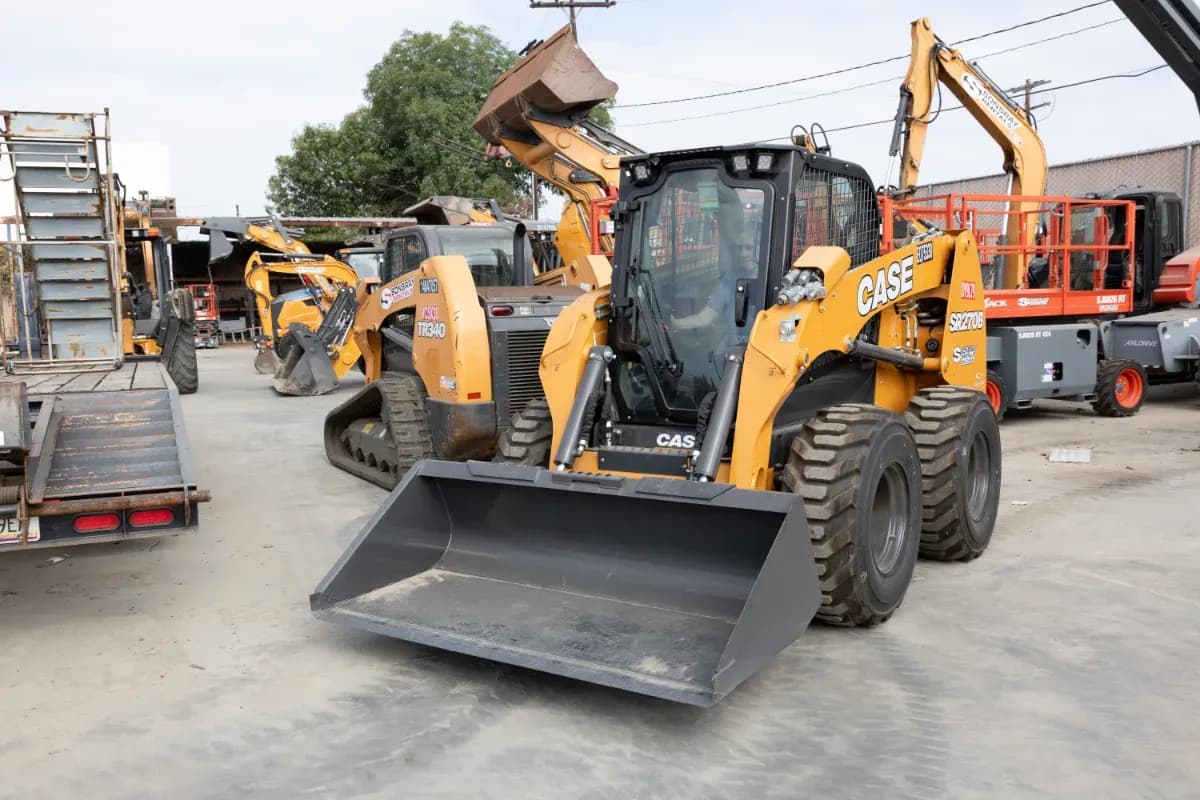
The choice between a compact track loader and a skid steer can affect jobsite productivity. Tracked loaders often suit soft, muddy, or uneven ground, while wheeled skid steers tend to work well on firm surfaces such as concrete and asphalt. Tires or tracks alone do not determine the best fit. Compare the specific model, load, attachment, and site conditions against your regular jobs, from grading and digging to hauling materials in tight spaces.
Key Takeaways
- Choose a compact track loader for regular work on soft, muddy, or uneven ground; choose a wheeled skid steer for frequent work on firm or paved surfaces. Neither setup guarantees turf protection, and turns, loads, and surface conditions affect wear and damage.
- Match the loader’s rated operating capacity and lift path to the loads, reach, and tasks you handle. Account for how attachments affect capacity and verify coupler and hydraulic compatibility for each machine.
- Compare total ownership costs—not just purchase price—against your typical jobsites. Tracks and undercarriages can wear faster on abrasive pavement, while tires can wear quickly under heavy loads, frequent turns, or rough use.
- Base the choice on your regular work, including travel distances, turning space, hauling needs, and maintenance demands, then verify the specifications of the specific machine and attachment.
CTL Tracks Vs Skid Steer Tires
A compact track loader usually gains traction and flotation in mud, loose soil, and uneven terrain. Its tracks spread the machine’s weight over a larger area, helping it keep moving and reducing ground pressure. That lower ground pressure does not prevent all turf damage: sharp turns can tear grass as the tracks scrub across the surface. For lawn work, we recommend considering soil moisture, turning space, machine weight, and travel paths, not just whether the loader has tracks or tires. Wheeled skid steers often travel efficiently on concrete and asphalt, but repeated turns, heavy loads, and rough surfaces can accelerate tire wear. Tracks can also wear faster on abrasive pavement, increasing undercarriage costs when the machine regularly works on hard surfaces.
For your operation, the better choice depends on the mix of surfaces and how the machine will work each day. A CTL can maintain traction and productivity when soft or uneven ground would slow a wheeled skid steer, while tires are often a practical fit for paved jobsites and frequent short trips. Neither setup guarantees a damage-free lawn or the same performance in every condition. We suggest matching the machine to your most common ground conditions, then considering the turns, travel distance, and surface wear involved in those jobs.
Loader Capacity And Lift Paths

Digging and grading often favor a radial lift path, which carries the load in an arc and can provide useful reach and breakout force near ground level. For truck loading or placing pallets at height, a vertical lift path typically keeps the load farther forward as the arms rise. Either path can work in confined areas, but the machine’s dimensions, turning space, and attachment clearance matter as much as its lift design. We recommend matching the lift path to your regular tasks, not choosing by tracks or tires alone.
Rated operating capacity (ROC) is the manufacturer’s stated working load limit for a loader, based on its testing standard and configuration. Compare ROC with lift height, reach, and the attachment you plan to use, since a bucket, forks, or other tool can affect the load the machine can safely handle. For example, moving pallets calls for checking fork capacity and load center, while truck loading depends on reach at the required height. The right choice depends on the specific model, load, attachment, and jobsite.
Attachments For CTLs And Skid Steers
Many attachments can work on both compact track loaders and wheeled skid steers, so you may be able to use the same bucket, pallet forks, or auger across machines. Compatibility depends on the coupler, which connects the tool to the loader, as well as hydraulic flow and pressure requirements. Some attachments need standard flow, while tools such as certain mulchers or cold planers may require high-flow hydraulics. Before switching machines, we recommend checking the attachment requirements against the specific loader model.
The right attachment can also affect how well a machine handles a job. A heavy tool reduces the loader’s available rated operating capacity, while a high-demand hydraulic attachment may perform poorly if the machine cannot supply enough flow. For grading or digging on soft, uneven ground, a compact track loader’s traction and flotation may help. On firm pavement, a wheeled skid steer may suit frequent short trips. Match the machine, attachment, and site conditions to the task, and check the model’s lift capacity rather than assuming its tracks or tires determine what it can carry.
Ownership Costs For Tracks And Tires

A compact track loader often costs more upfront than a comparable wheeled skid steer, and its tracks and undercarriage can add expense as they wear. We typically see tracks make sense when soft, muddy, or uneven jobsites would otherwise slow your operation or limit access. On concrete, asphalt, and other firm surfaces, tires are often less costly to replace, and a wheeled machine can travel faster between work areas. Tire wear still depends on the surface, load, and turning habits, so frequent operation on rough or abrasive ground can shorten tire life. Compare expected service demands with the ground you work on most, not just the initial purchase price.
Maintenance planning also affects total ownership cost. Tracks need regular inspections for damage, tension, and undercarriage wear, while wheeled machines need attention to tires and related components. A wheeled skid steer may be easier to haul because it is often lighter, but confirm the weights of the machine, trailer, attachment, and truck before moving it. Travel speed can matter when your schedule includes frequent short trips across a firm site, while traction and flotation may save time on soft ground. We recommend matching the machine to your usual jobs, work hours, and hauling setup, then checking the specific model and load requirements before deciding.
Choose the Right Loader for Your Terrain
A compact track loader is often a better fit when your regular jobs involve mud, loose soil, slopes, or uneven ground. Its traction and lower ground pressure can help keep work moving. A wheeled skid steer usually makes more sense for frequent work on concrete, asphalt, and other firm surfaces, where tires can travel efficiently without track undercarriage wear. Neither machine is right for every site, and ground conditions can change with the season or workload.
Before deciding, compare the specific machine’s rated operating capacity, lift path, and compatibility with the attachments you use for digging, grading, loading, or material handling. The load, attachment, and site layout all affect performance, so match the complete setup to your daily work and ownership priorities. If you’re weighing options or planning upkeep, explore Sonsray Machinery to learn how we can help keep your equipment ready for the job.
Frequently Asked Questions
1. What is the main difference between a compact track loader and a skid steer?
A compact track loader uses rubber tracks, while a wheeled skid steer uses tires. Tracks generally provide more traction and flotation on soft or uneven ground, while tires often suit firm, paved surfaces. The best choice depends on your usual jobs, site conditions, and the specific machine.
2. Is a compact track loader better than a skid steer in mud?
A compact track loader usually performs better in mud because its tracks spread the machine’s weight over a larger area. That added flotation can help maintain traction and reduce the chance of getting stuck. Conditions, machine weight, load, and operator technique still affect performance.
3. Which machine is better for working on concrete or asphalt?
A wheeled skid steer is often a practical choice for frequent work on concrete or asphalt, where tires can travel efficiently. Tracks can wear faster on abrasive pavement, which may increase undercarriage costs. Consider how much time your machine will spend on hard surfaces and how far it needs to travel.
4. Will a compact track loader prevent damage to my lawn?
No machine setup guarantees a damage-free lawn. Tracks create lower ground pressure, but sharp turns can scrub and tear grass, especially when the soil is wet. Consider soil moisture, machine weight, turning space, and travel paths before choosing equipment for turf work.
5. How should I compare loader capacity and lift paths?
Compare the rated operating capacity, which indicates how much a loader is designed to handle under specified conditions, with the lift height and reach you need. Lift paths vary by model: some loaders lift in a vertical path, while others follow a radial path suited to different digging and loading tasks. Check the specifications for the exact model and attachment you plan to use.
6. Can I use the same attachments on a compact track loader and a skid steer?
Many compact track loaders and skid steers can use similar attachments, but compatibility is not guaranteed. Check the attachment interface, hydraulic flow requirements, and the machine’s capacity before connecting or operating an attachment. Matching these specifications helps you work safely and get the performance you need.
7. Which costs more to maintain, a compact track loader or a skid steer?
Maintenance costs depend on the machine, operating conditions, and how you use it. Compact track loaders require attention to tracks and undercarriage components, while skid steers can see faster tire wear during heavy use, frequent turns, or rough travel. Compare expected wear on your typical surfaces, along with service needs and parts availability.
8. How do I choose between a compact track loader and a skid steer for my operation?
Start with the surfaces where you work most often and the tasks you handle regularly, such as grading, digging, or hauling materials in tight spaces. A compact track loader often suits soft or uneven ground, while a wheeled skid steer is commonly a good fit for firm, paved jobsites. Then compare the specific models, loads, attachments, travel distances, and turning demands against your daily work.
Pros
- Compact track loaders provide traction and flotation on soft, muddy, or uneven ground.
- Wheeled skid steers often travel efficiently on concrete and asphalt.
- Radial and vertical lift paths can suit different digging, grading, and loading tasks.
- Many attachments can work on either machine when coupler and hydraulic requirements match.
Cons
- Compact track loaders often cost more upfront and can have higher track and undercarriage costs.
- Tracks can wear faster on abrasive pavement.
- Tires can wear quickly with heavy loads, frequent turns, or rough use.
- Neither tracks nor tires guarantee damage-free turf.